
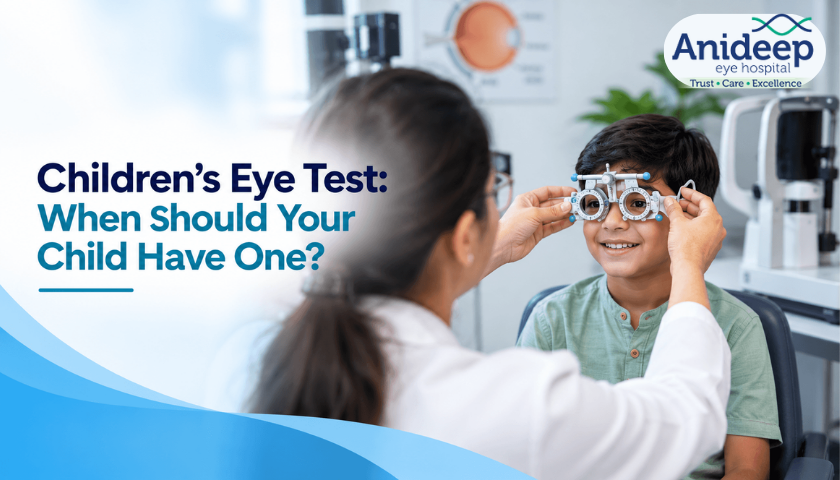
A child may see the world differently without even realizing it. From holding books too close to struggling to recognize objects at a distance, small signs can sometimes point to an underlying vision problem. The challenge is that young children often cannot explain what they see clearly.
So, when should a child have their first eye test? Early eye checkups can help identify vision problems before they interfere with learning, development, and everyday activities. Knowing when to schedule a child's eye test can help parents protect their child's vision from the very beginning.
When Should Children Have Their First Eye Test?
A child's vision develops rapidly during the early years. Regular eye checkups help ensure that both eyes are developing properly.
Here is a general timeline parents can follow:
- Birth to 6 months: A pediatrician checks the baby's eyes and basic visual responses during routine visits. An eye specialist may recommend an earlier examination if risk factors or concerns are present.
- Around 6–12 months: An eye examination may be recommended if there are concerns about eye alignment, visual responses, or family history of eye conditions.
- Around 3 years: Schedule a comprehensive eye examination if your child has not had one or if any vision concerns arise.
- Before starting school, around 5–6 years: A complete eye checkup can help identify vision problems that may affect reading, writing, and classroom activities.
Children with symptoms, developmental concerns, or a family history of childhood eye conditions may need earlier examinations. Ask your pediatrician or eye specialist about the right schedule for your child.
Remember: Vision screening is useful, but it does not replace a comprehensive children's eye exam when a problem is suspected.
Why Is an Early Children's Eye Test Important?
Children's eyes are still developing, and some vision problems may not cause obvious symptoms. Early detection can help identify conditions such as:
- Amblyopia (lazy eye): Reduced vision in one eye that may affect normal visual development.
- Squint (strabismus): When the eyes do not point in the same direction.
- Refractive errors: Nearsightedness, farsightedness, or astigmatism that may affect clear vision.
- Other eye conditions: Certain structural or developmental problems that need specialist attention.
Timely assessment allows an eye care professional to recommend appropriate treatment when needed.
Warning Signs Parents Should Never Ignore
Not every child can explain that something looks blurry. Watch for these signs that may indicate a need for a child's eye checkup:
- Frequently rubbing or squeezing the eyes.
- Sitting very close to the television or holding books near the face.
- Tilting the head or closing one eye to see better.
- Complaining of headaches or eye discomfort during reading.
- Struggling to recognize distant objects or follow moving objects.
- Having eyes that appear misaligned or show unusual reflections in photographs.
If your baby does not follow objects visually by around three months, or you notice a white pupil reflection, seek prompt medical evaluation. Do not wait for the next routine checkup.
What Happens During a Pediatric Eye Examination?
A pediatric eye examination is adapted to your child's age and ability to cooperate. Your eye specialist may:
- Ask about your child's medical history, development, and family history of eye conditions.
- Check eye alignment, movement, pupil responses, and how the eyes focus.
- Assess visual clarity using age-appropriate pictures, symbols, or other screening methods.
- Examine the internal structures of the eyes when indicated.
- Recommend further testing or treatment if a concern is identified.
An eye test for babies or toddlers does not necessarily require reading letters. Many assessments use lights, objects, pictures, or specialized screening devices.
How Can Parents Prepare Their Child for an Eye Test?
A little preparation can make the first eye test for children more comfortable.
- Explain the appointment in simple, reassuring language.
- Bring previous eye reports and details of any family history.
- Choose a suitable appointment time when your child is rested.
- Tell the doctor about any unusual visual behaviour you have noticed.
Most importantly, avoid waiting until your child starts school to raise concerns about their vision.
Children's Eye Care at Anideep Eye Hospital, Mumbai
Your child's vision deserves attention at every stage of growth. At Anideep Eye Hospital, Vile Parle, Mumbai, parents can consult an eye care team that includes a pediatric ophthalmologist for age-appropriate evaluation and guidance.
If you are looking for an eye hospital in Mumbai or an eye specialist in Mumbai for your child's vision concerns, timely professional advice can help you take the right next step.
Book an appointment with Anideep Eye Hospital to discuss your child's eye health and arrange an appropriate examination.