What is Macular Degeneration?
Macular Degeneration, also known as Age-Related Macular Degeneration (ARMD), is a significant medical condition that primarily affects the central part of the retina called the macula. This area of the eye is crucial for sharp, detailed vision, which is used for activities like reading and driving. ARMD is the leading cause of severe vision loss in people over the age of 50 worldwide. Despite its prevalence, there remains a low level of awareness about this disease.
Age-Related Macular Degeneration:
Age-Related Macular Degeneration is categorized into two types: Dry ARMD and Wet ARMD. Dry ARMD is more common and less severe, characterized by the thinning of the macula and deposition of pigment. Wet ARMD, although less common, is more severe and involves bleeding or leaking from abnormal blood vessels that grow under the retina. This condition can lead to a rapid loss of vision if untreated.
Symptoms of ARMD
The symptoms of Macular Degeneration can vary but typically include visual distortions such as straight lines appearing wavy, reduced central vision in one or both eyes, the need for brighter lighting when reading or working, difficulty adapting to low light levels, increased blurriness of printed words, decrease in intensity or brightness of colors, and difficulty recognizing faces. Central vision loss in particular is a significant symptom that requires immediate attention.
Does Age-Related Macular Degeneration Cause Blindness?
While ARMD can lead to significant vision loss, it usually does not cause complete blindness. However, it can diminish the quality of life by impairing the ability to see details, drive, read, and recognize faces.
Diagnosis and Awareness
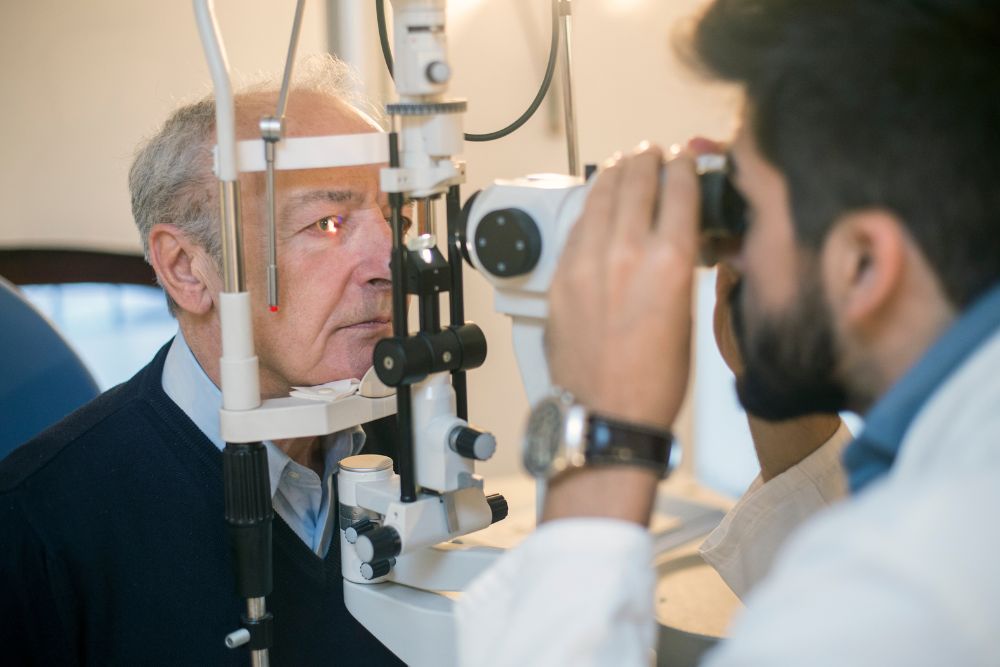
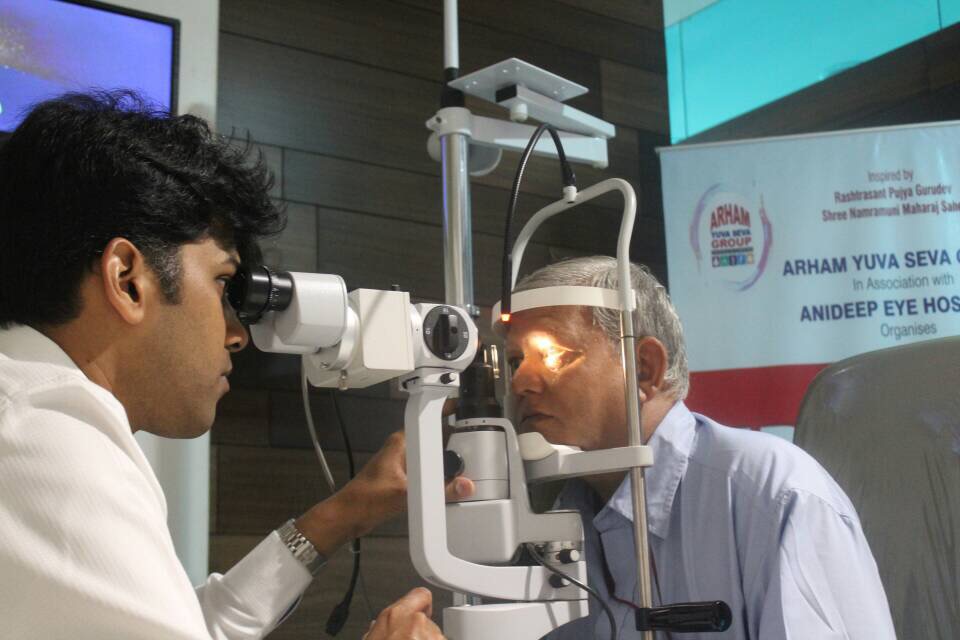
Determining whether you have Macular Degeneration involves a comprehensive eye exam that includes visual acuity testing, a dilated eye exam, and imaging tests such as Optical Coherence Tomography (OCT). Awareness is crucial as many people dismiss early symptoms as normal aging changes.
Causes of ARMD
The exact cause of Age-Related Macular Degeneration is not fully understood but is believed to be a mix of genetic and environmental factors. Risk factors include aging, smoking, high blood pressure, obesity, and having a family history of the disease.
Prevalence of ARMD
Approximately 25-30 million people worldwide are affected by some form of ARMD. This statistic highlights the importance of education and awareness, as early detection can lead to better management of the condition.
Public Awareness and Misconceptions
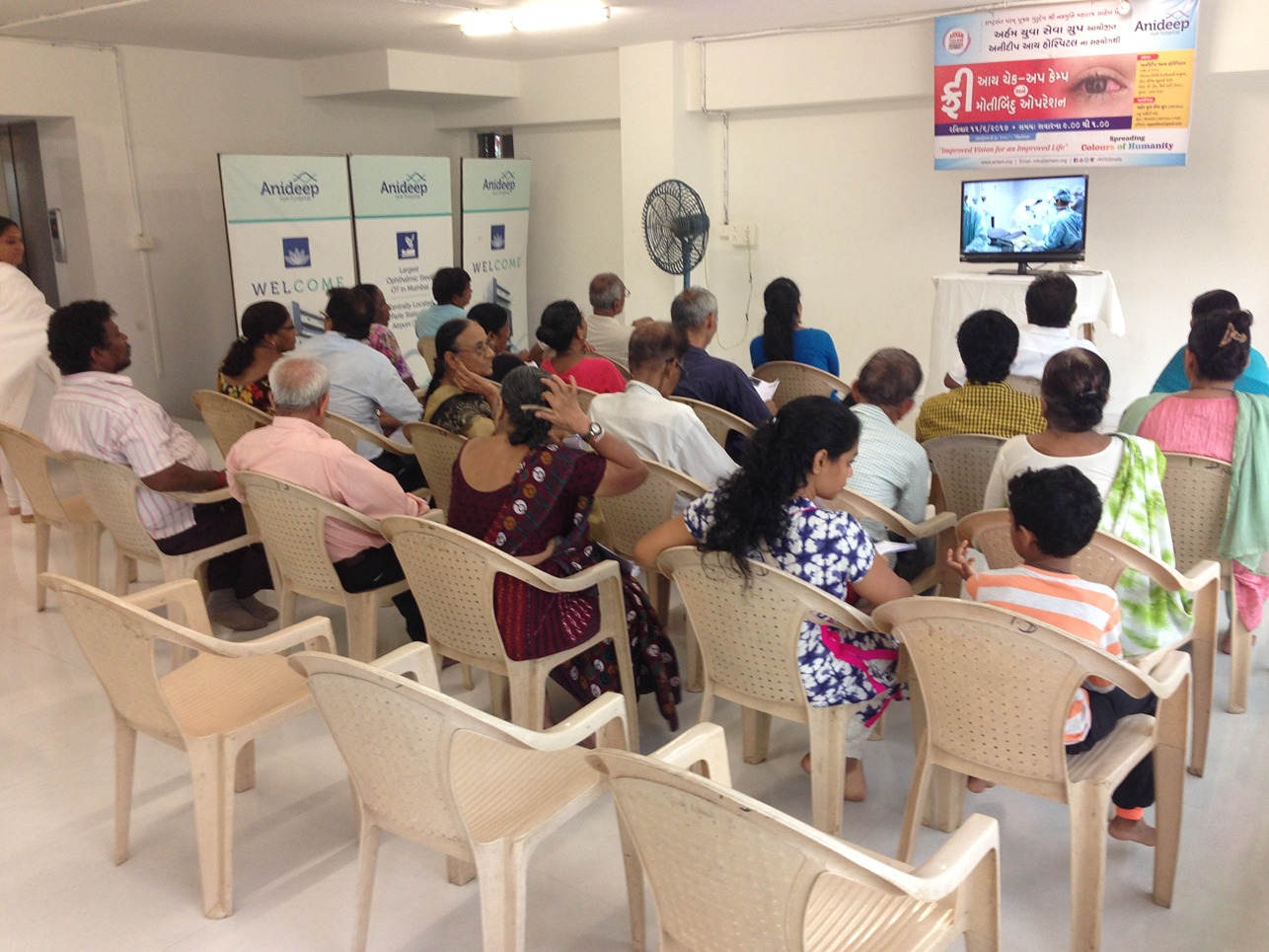
Despite its prevalence, there is a general lack of public awareness about ARMD. Many people do not realize the severity of the disease or the importance of regular eye examinations, especially after the age of 50..
Treatment Options for ARMD
While there is no cure for Age-Related Macular Degeneration, there are treatments that can slow its progression or improve symptoms. These include anti-VEGF injection therapy for Wet ARMD, laser therapy, and photodynamic laser therapy. Lifestyle changes such as quitting smoking, eating a healthy diet rich in green, leafy vegetables, and exercising regularly can also help manage the condition.
Surgical Interventions and Vision Preservation
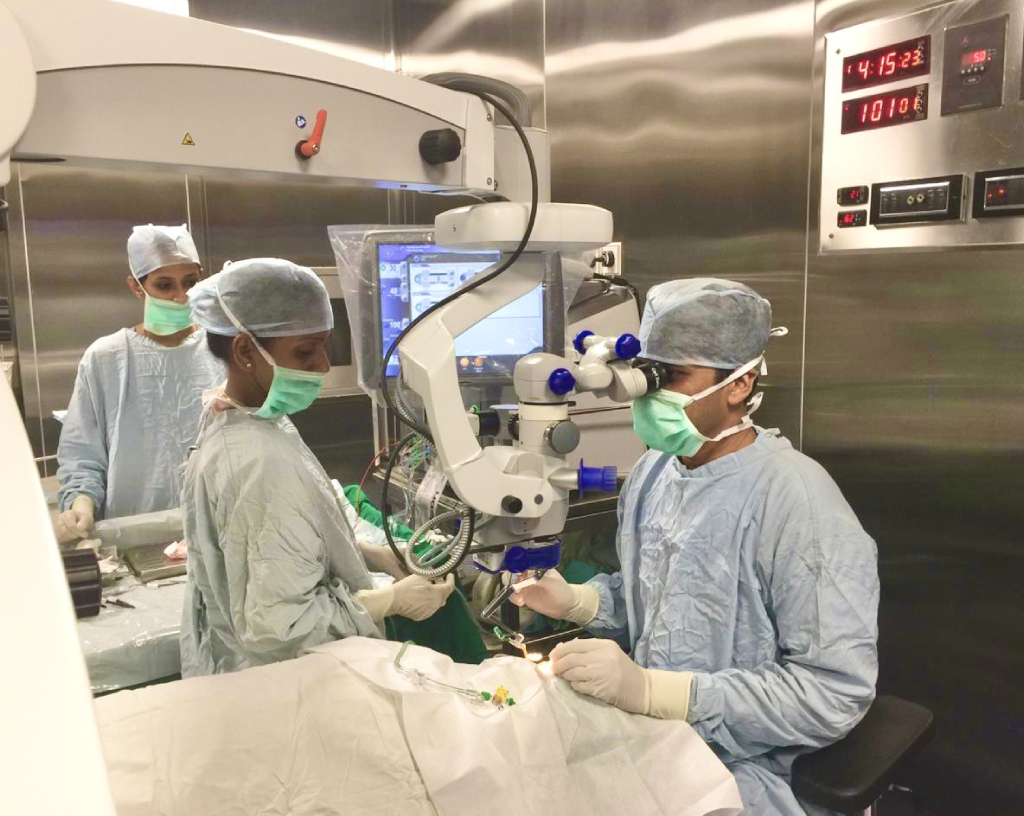
In certain cases, surgery might be considered for ARMD; however, it's more common for Wet ARMD. Surgery can involve replacing the blood vessel-filled, damaged macula with a healthy one. Nevertheless, the main goal is to prevent further deterioration of vision.
Rehabilitation and Coping Strategies
For those who have experienced significant vision loss from ARMD, rehabilitation programs are available. These programs teach adaptive techniques to help maintain independence and quality of life. Tools such as magnifying glasses for reading and bright lights can assist with daily tasks.
Conversations and Case Studies
Including a hypothetical dialogue between a patient and a doctor or real-life testimonials can make the experience of ARMD more relatable and can educate others about the importance of early detection and regular eye exams.
How it helps you to stay strong
Make Appointment

Select Doctor
Get Consultation