Delivering world class medical care
Many people don't know much about diabetic macular edema (DME), and even if you have DME, you might not fully understand what it means for your eyes. This guide aims to help you learn more about DME.
What is Diabetic Macular Edema?
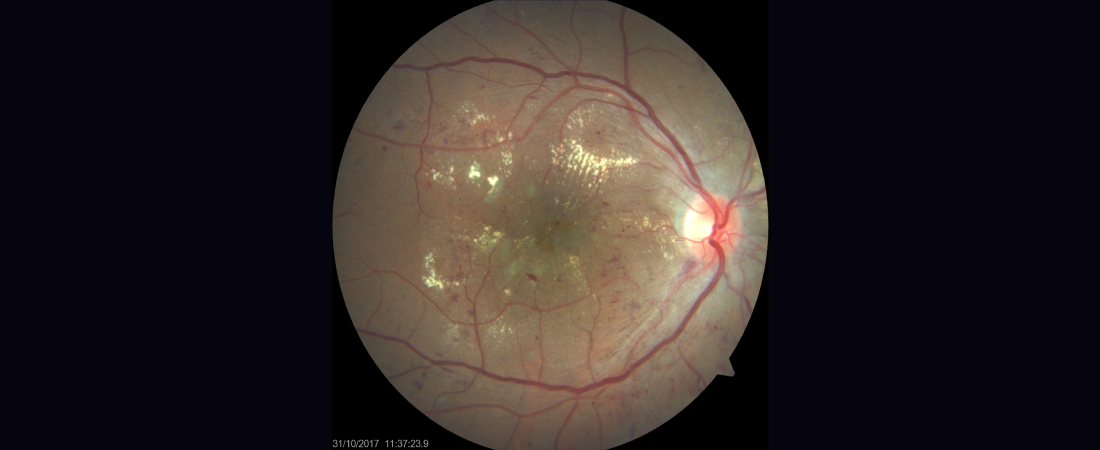
DME is a condition that can develop if you have diabetes. It happens when the retina in your eye, which helps you see, begins to swell. This swelling is often due to a type of damage called diabetic retinopathy, which can get worse over time and lead to DME. DME is a major cause of blindness, especially in people who are working age.
Other factors include how long you've had diabetes, your blood pressure, and your age. You can't change some of these things, but you can try to manage your lifestyle to lower your risk. For example, controlling your blood sugar and getting regular eye exams are good steps to take.
What Happens in DME?
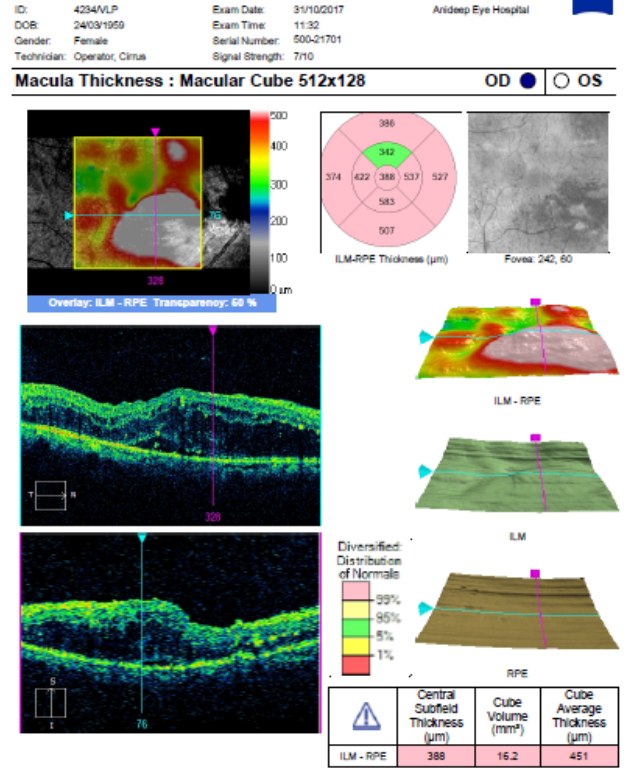
In DME, fluid leaks into the central part of the retina, called the macula, making it swell. This swelling blurs your vision and makes it hard to see details clearly. It can happen in both eyes, and if it's in one eye, you need to be careful about protecting your other eye too.
How is DME Diagnosed and Treated?
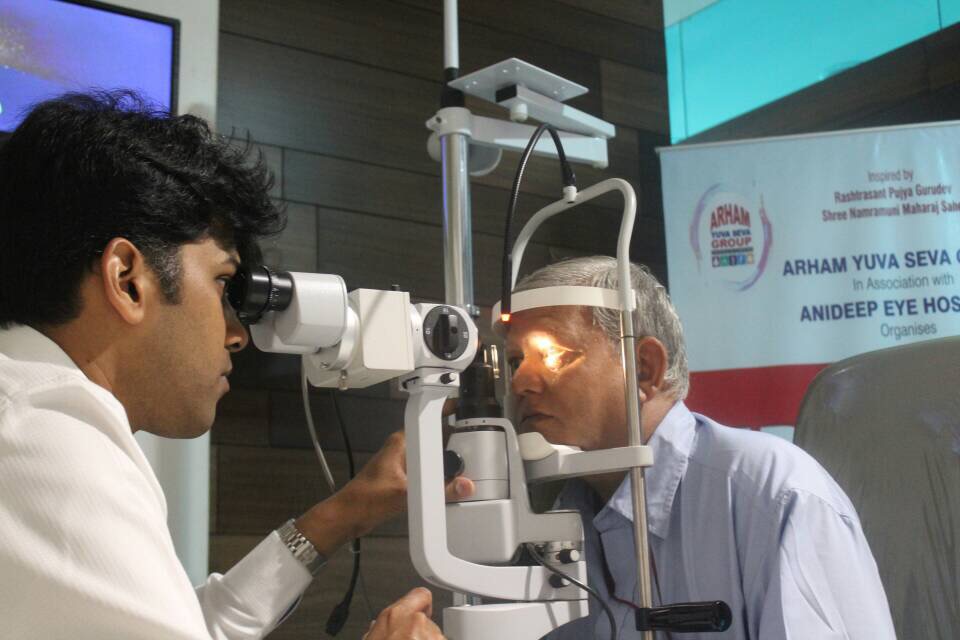
An eye doctor can diagnose DME after a full eye exam. As for treatment, it involves working closely with your eye doctor. Treatments include:
These treatments can't cure DME but can help slow the loss of vision. Regular eye check-ups and managing your diabetes are crucial.
Taking Control of Your Vision
Your vision is precious. Keeping up with doctor appointments and watching for changes in your vision are key. Managing your diabetes well, keeping blood pressure in check, eating healthily, quitting smoking, and exercising can all help protect your vision. Even if you experience vision loss from DME, visual aids and rehabilitation can help you keep living independently. It's also important to handle the emotional challenges that come with vision loss, seeking support when needed.
How it helps you to stay strong
Make Appointment

Select Doctor
Get Consultation