What is cataract?
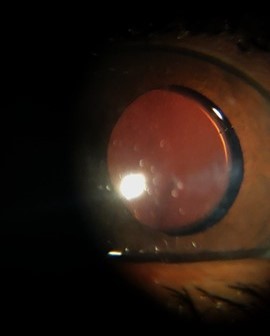
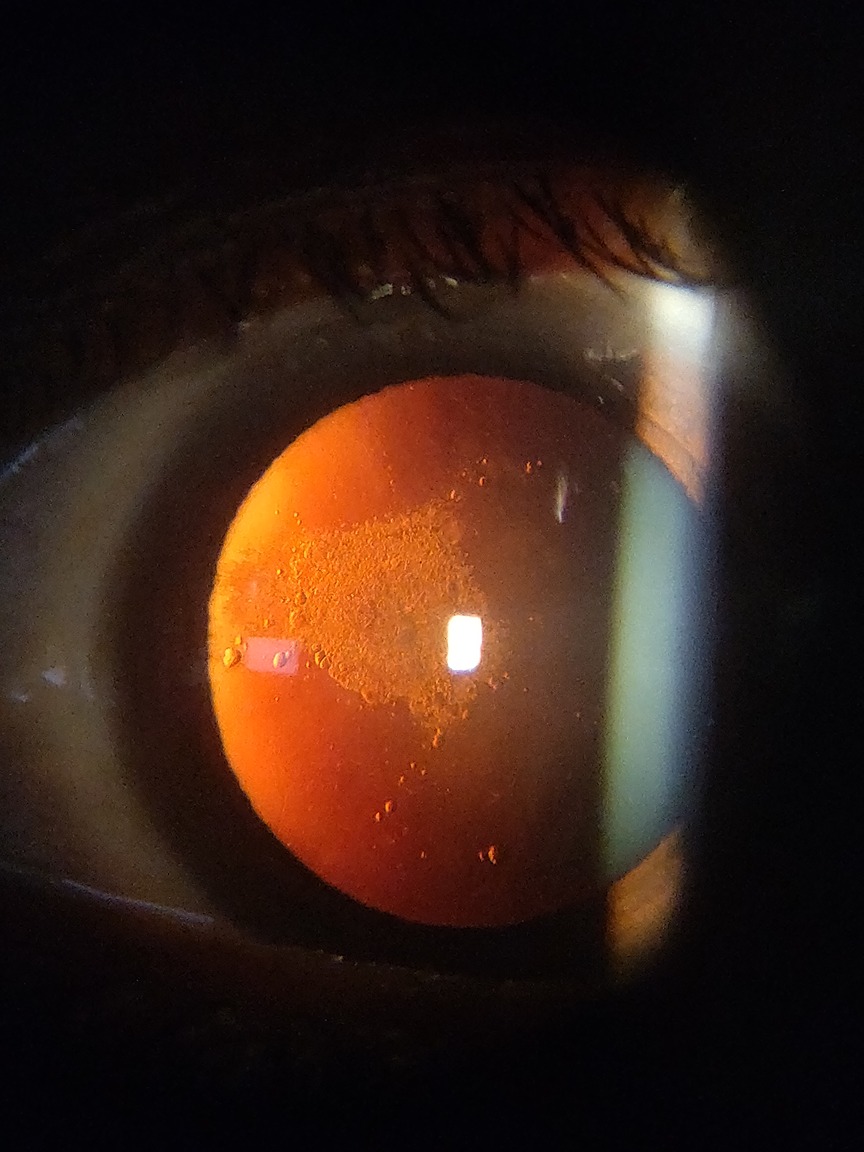
A cataract is like a cloud that develops in the eye's lens, making it hard for a person to see as clearly as they used to. It's a bit like looking through a foggy window. This can happen to anyone but is more common as we get older. Sometimes, too much sunlight (UV exposure) or having certain illnesses like diabetes can also lead to cataracts. Even some medications or an injury to the eye can cause them.
Causes and Symptoms of Cataracts
Cataracts can be attributed to a variety of causes, often developing as a natural part of aging. As we age, proteins in the eye's lens can clump together and start to cloud a small area of the lens, a process that is gradual. Over time, the cataract may grow larger and cloud more of the lens, making it harder to see.
The symptoms of cataracts may vary depending on the type, location, and extent of the clouding. Common symptoms include:
Types of Cataract
Cataracts are cloudy areas in the lens of the eye that can cause vision to become blurry. There are several types of cataracts, and each affects the lens in different ways. Here are the most common types
Age-Related Cataracts
Most cataracts are related to aging. These cataracts develop gradually over time and usually affect people over the age of 60.
Congenital Cataracts
Some people are born with cataracts or develop them during childhood. These are called congenital cataracts. Often, they are small and do not affect vision. If they do, the cataracts may need to be removed surgically.
Secondary Cataracts
Cataracts can form after surgery for other eye problems, such as glaucoma. Health conditions, such as diabetes, can also lead to cataracts. Additionally, exposure to some types of medications, like steroids, can cause this type of cataract.
Traumatic Cataracts
Cataracts can develop after an eye injury, sometimes years later. These cataracts vary greatly depending on the specific injury.
Radiation Cataracts
Exposure to certain types of radiation can lead to the development of cataracts. This is less common but can occur with radiation treatments.
Treatment Options for Cataract
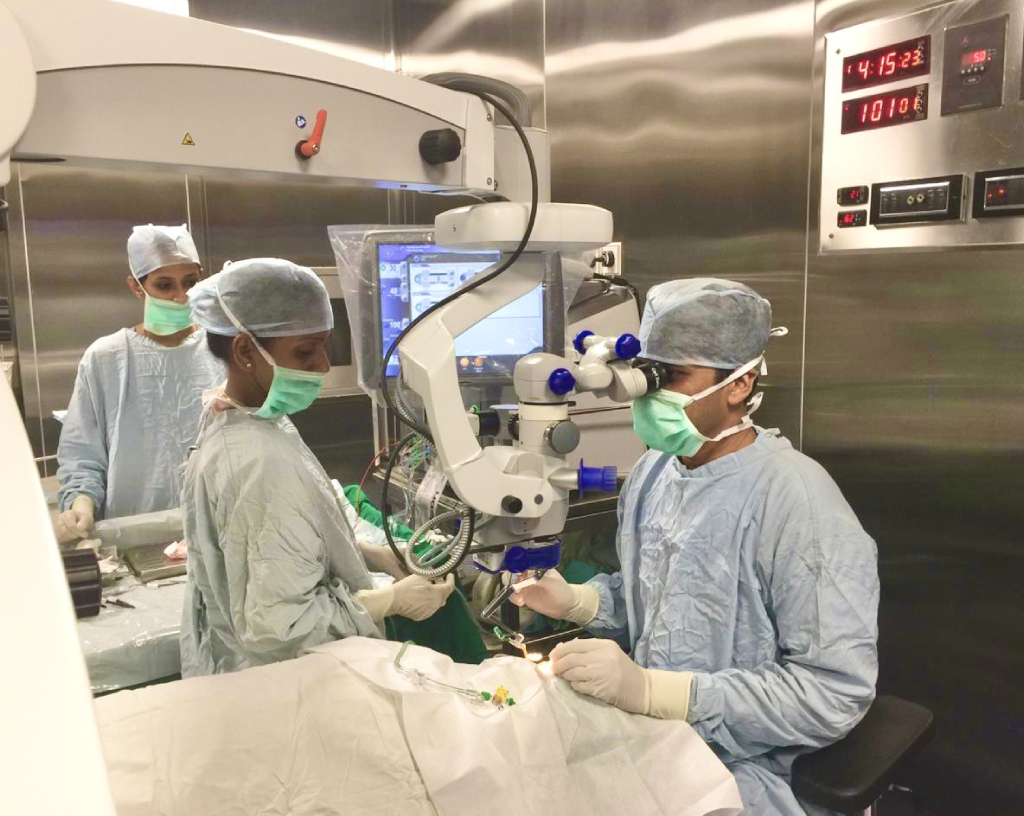
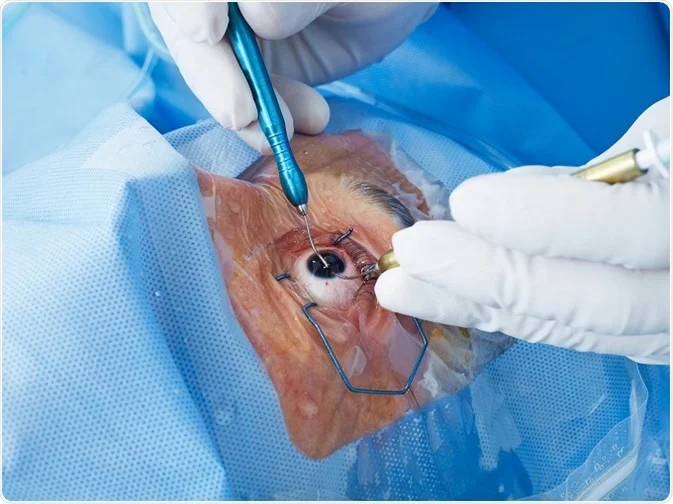
Cataracts are a common condition where the lens of the eye becomes progressively opaque, resulting in blurred vision. Treatment typically involves surgical intervention, and the mainstay is cataract surgery, which is one of the most common and successful procedures performed worldwide. Below are the primary treatment options for cataracts:
Surgical Removal and Lens Replacement
The most effective treatment for cataracts is surgical removal of the cloudy lens, which is then replaced with an artificial intraocular lens (IOL). This procedure is typically performed on an outpatient basis using local anesthesia.
Phacoemulsification
This modern technique uses ultrasound waves to emulsify the cloudy lens before it is suctioned out. It is minimally invasive, requiring only a small incision.
Laser-Assisted Cataract Surgery:
Utilizes a femtosecond laser to create incisions and assist in lens fragmentation, providing a precise and less invasive alternative to traditional surgery.
Intraocular Lenses (IOLs) Options
There are several types of IOLs to choose from, including monofocal, which has a single focus point; multifocal, which can reduce dependence on glasses; and toric lenses, which correct astigmatism.

How it helps you to stay strong
Make Appointment

Select Doctor
Get Consultation