
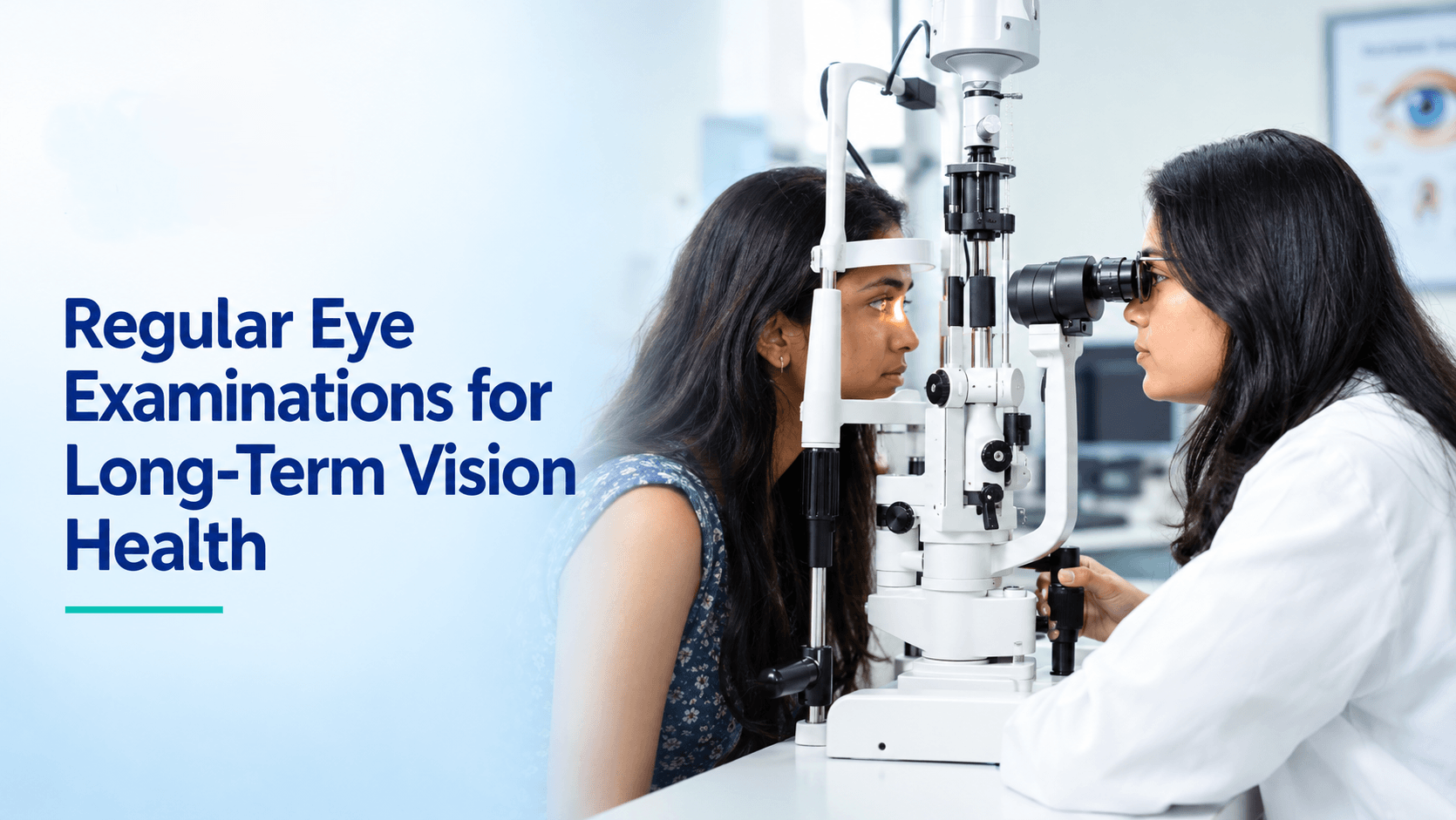
- Why Regular Eye Examinations Matter
- What Can a Routine Eye Checkup Detect?
- The Importance of Regular Eye Exams as You Age
- Eye Examination for Vision Health Is More Than a Glasses Test
- Who Should Consider Regular Eye Exams?
- Eye Screening for Adults: Why Prevention Matters
- How Regular Eye Examinations Support Long-Term Vision
- Simple Habits That Complement Regular Eye Care
- Choosing the Right Eye Specialist for Your Eye Health
- Anideep Eye Hospital: Supporting Your Long-Term Eye Health
- Take the Next Step for Your Vision
Your eyes can change long before you notice a problem. A slight change in vision may seem harmless, occasional headaches may feel like everyday stress, and difficulty reading small text may simply be blamed on age. But sometimes, these subtle changes can be early signs that your eyes need professional attention.
This is why Regular Eye Examinations are an important part of protecting your vision over the long term. An eye examination is not only about checking whether you need glasses. A comprehensive examination can help identify vision changes, detect certain eye conditions at an early stage, and allow your eye specialist to monitor your eye health over time. The Centers for Disease Control and Prevention notes that some eye diseases can develop without noticeable symptoms in their early stages, making routine examinations particularly valuable.
Why Regular Eye Examinations Matter
Many people visit an eye doctor only after their vision becomes noticeably blurry or uncomfortable. However, waiting for symptoms is not always the best approach.
Conditions such as glaucoma, diabetic eye disease, cataracts, and age-related macular degeneration can affect vision progressively. Some may not cause obvious symptoms during their early stages. A comprehensive eye examination allows an eye care professional to assess different aspects of your vision and eye health rather than simply checking whether you can read letters on a chart.
This makes regular eye exams an important part of preventive healthcare.
Rather than asking, "Can I see clearly today?", an eye examination looks at a broader question:
Are my eyes healthy today, and are there any changes that need to be monitored?
What Can a Routine Eye Checkup Detect?
A routine eye checkup can assess your visual function and help your doctor identify signs that may require further investigation or treatment.
Depending on your age, symptoms, medical history and risk factors, an examination may assess:
- Visual acuity and refractive errors
- Near and distance vision
- Eye pressure
- The health of the retina and optic nerve
- Signs associated with glaucoma
- Cataract-related changes
- Diabetic changes in the retina
- Other abnormalities affecting the eyes and vision
A dilated examination can allow the doctor to examine structures inside the eye more closely. This is particularly important because some conditions can progress before a person notices significant changes in their eyesight.
The Importance of Regular Eye Exams as You Age
Your vision needs can change throughout life.
For younger adults, an eye examination can identify refractive errors such as myopia, hyperopia and astigmatism, while also establishing a baseline for future monitoring. As adults move into their 40s and beyond, changes such as presbyopia become increasingly common, and the risk of certain age-related eye conditions can increase.
For older adults, ongoing monitoring becomes even more important because cataracts, glaucoma and age-related macular degeneration become more relevant concerns. The frequency of examinations should be determined according to individual risk factors, age, medical history and the advice of an eye-care professional.
The American Optometric Association also emphasizes comprehensive eye examinations as an important way to monitor vision and identify eye or systemic health concerns earlier.
Eye Examination for Vision Health Is More Than a Glasses Test
One common misconception is that an eye examination is necessary only when someone needs spectacles.
In reality, an eye examination for vision health can be much broader.
Your eyes can provide important clues about changes affecting ocular health. Certain systemic conditions, including diabetes and high blood pressure, can also have effects on the eyes. Regular eye care therefore becomes part of a larger approach to maintaining overall health.
For people living with diabetes, regular retinal examinations are especially important because diabetic retinopathy can develop before noticeable vision symptoms appear. Early identification and appropriate management can help reduce the risk of serious vision loss.
Who Should Consider Regular Eye Exams?
While everyone can benefit from appropriate eye care, some people may need examinations more frequently.
You should speak with an eye specialist about an appropriate examination schedule if you:
- Have diabetes or high blood pressure
- Have a family history of glaucoma or other eye diseases
- Have experienced previous eye problems or injuries
- Wear contact lenses
- Have noticed changes in your vision
- Are experiencing frequent headaches or visual discomfort
- Are experiencing increasing difficulty with near or distance vision
- Are older and concerned about age-related eye conditions
- Have previously undergone eye surgery or treatment
If you suddenly experience significant vision changes, flashes of light, a sudden increase in floaters, eye pain, double vision or other unusual symptoms, do not wait for your next scheduled appointment. Seek prompt professional evaluation.
Eye Screening for Adults: Why Prevention Matters
Adults often have demanding routines involving computers, smartphones, driving, reading and other visually intensive activities. Because vision is such an important part of everyday life, small changes can eventually affect productivity, comfort and quality of life.
An eye screening for adults can help identify whether further examination is required and whether your current vision correction remains appropriate.
However, screening and a comprehensive examination are not always the same. If you have risk factors, symptoms, or a history of eye disease, your eye specialist may recommend a more detailed assessment.
The goal is not simply to react when vision deteriorates. It is to monitor your eyes consistently so that potential problems can be addressed as early as appropriate.
How Regular Eye Examinations Support Long-Term Vision
Think of your eye health as something that needs ongoing monitoring rather than occasional attention.
A single examination provides information about your eyes at one point in time. Regular examinations create a history that can help your doctor identify changes over time. This can be especially useful when monitoring conditions that develop gradually.
Regular visits can help you:
- Monitor changes: Your eye doctor can compare current findings with previous examinations.
- Update vision correction: Your prescription may change over time, even if the difference initially feels small.
- Identify potential problems early: Some eye diseases may not produce noticeable symptoms in their early stages.
- Understand your risk factors: Family history, age and certain health conditions can influence your eye-health needs.
- Maintain better visual function: Appropriate correction and timely treatment can help you continue performing everyday activities comfortably.
Simple Habits That Complement Regular Eye Care
Regular examinations are important, but everyday habits also contribute to healthy vision.
Protect your eyes from potential injuries, use appropriate protective eyewear when required, maintain good contact lens hygiene, avoid smoking and follow a healthy lifestyle. Sunglasses that provide appropriate ultraviolet protection can also help protect your eyes from excessive UV exposure.
If you spend extended periods using digital screens, remember to take regular visual breaks and pay attention to symptoms such as persistent eye strain, dryness or blurred vision. If symptoms continue, an eye examination can help determine whether an underlying vision or eye-health issue needs attention.
Choosing the Right Eye Specialist for Your Eye Health
Choosing an eye-care provider is not simply about finding a place for a quick vision test. Look for a hospital or eye specialist who can evaluate your individual needs and guide you regarding appropriate follow-up care.
For people looking for the best eye hospital in Mumbai, factors such as the range of ophthalmic services, experienced specialists, diagnostic capabilities, treatment options and continuity of care can all be important considerations.
If you are searching for an eye specialist in Mumbai, make sure you choose professional care that focuses not only on correcting vision but also on monitoring long-term eye health.
Anideep Eye Hospital: Supporting Your Long-Term Eye Health
In Anideep Eye Hospital, the focus is on providing comprehensive eye care based on each patient's individual needs. The hospital offers ophthalmic services covering areas including cataract, glaucoma, diabetic retinopathy, macular degeneration, corneal conditions, neuro-ophthalmology, oculoplasty, squint treatment, and LASIK and refractive surgery.
Located in Vile Parle, Mumbai, Anideep Eye Hospital provides patients with access to specialist eye care and a range of diagnostic and treatment services.
If you are due for an eye health checkup, experiencing vision changes, or simply want to understand your current eye health, scheduling a professional examination can be an important step toward protecting your sight for the years ahead.
Take the Next Step for Your Vision
Good vision should not be taken for granted. Regular Eye Examinations can help you understand changes in your eyes, identify potential problems earlier and make informed decisions about your eye care.
If you are looking for the best eye health checkup in Mumbai, consult a qualified eye specialist and make comprehensive eye care part of your long-term health routine.