
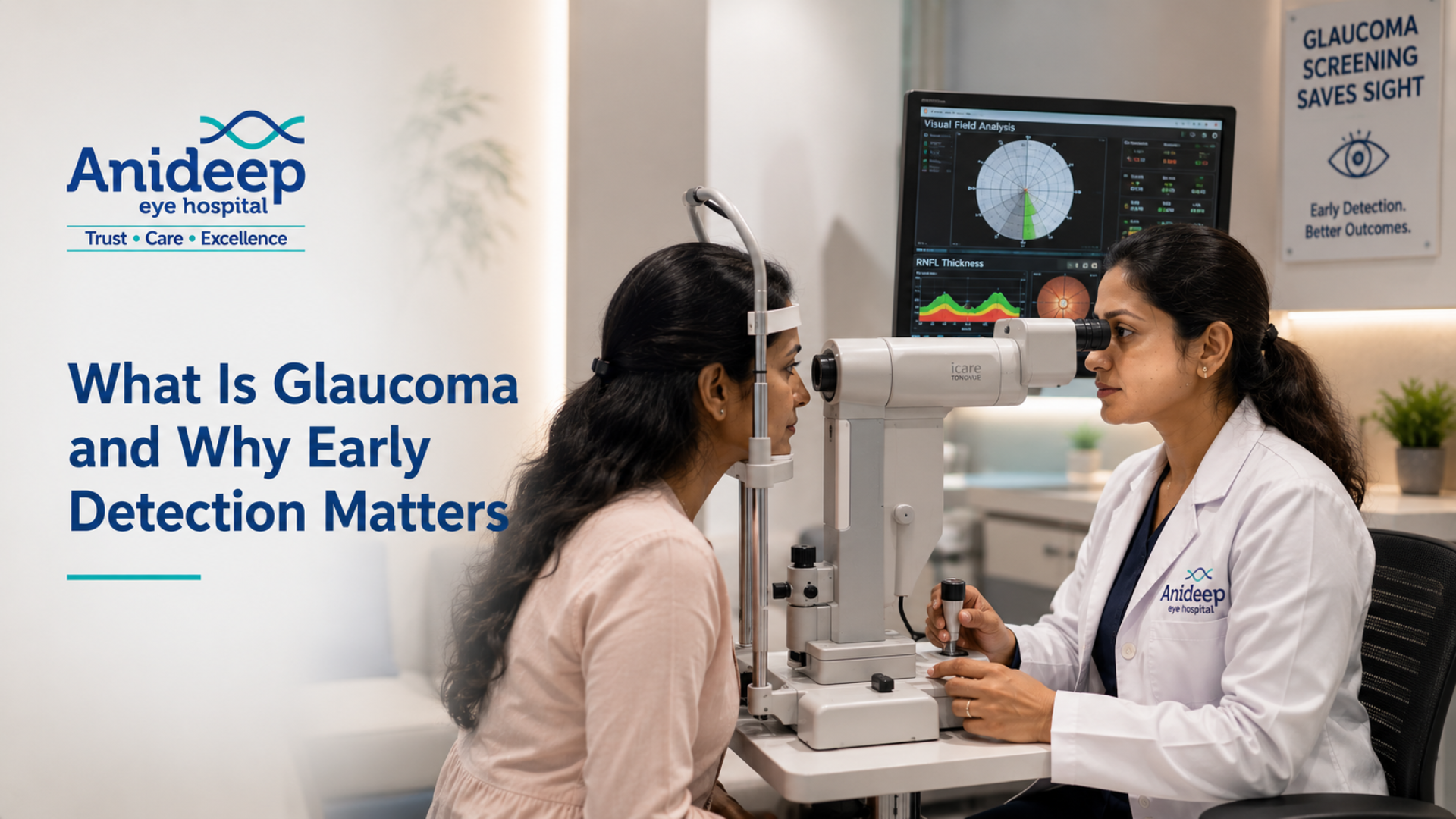
One of the many eye disorders that can impair vision is glaucoma. One could experience that things are all right on his or her side, while some things happen in the eye unnoticed.
What Is Glaucoma?
Glaucoma is an umbrella term used to refer to several types of eye diseases that have the potential of causing damage to the optic nerve, which is the component responsible for carrying visual information to the brain. Such damage leads to irreversible impairment of the vision.
What makes glaucoma a critical eye condition is the fact that early detection of this disease can help retain vision that is not impaired.
What Causes Glaucoma?
Another significant cause of glaucoma is the increased pressure within the eyes, called intraocular pressure. On the other hand, glaucoma can also occur even when the pressure is at an acceptable level.
Glaucoma is usually associated with the damage to the optic nerve. Several risk factors can predispose a person to suffer from the disease, such as age, medical issues, genetics, etc.
That is why it is not a good idea just to wait until the symptoms appear.
What Are the Early Signs of Glaucoma?
One of the significant issues concerning glaucoma is the difficulty in recognizing its early symptoms.
There are certain forms of glaucoma which develop gradually and have an impact on the peripheral vision. As the central vision remains normal for quite some time, one does not realize the deteriorating eyesight.
Some of the signs that can indicate developing glaucoma are the following:
- Loss of peripheral vision over time
- Trouble seeing in particular circumstances
- Pain in the eye in certain types of glaucoma
- Blurring of the vision
- Redness of the eye
- Halos around the lights
- Headache or nausea caused by sudden increase of the eye pressure
Sudden eye pain, blurred vision, redness or nausea require medical help immediately.
Who Is at Risk of Glaucoma?
Glaucoma can be contracted by individuals of varying age groups; however, there are specific factors that can make one at risk for contracting the disease.
You have to take special care of your eyes if:
- Your family has a history of glaucoma
- You are older
- You have diabetes or other specific medical conditions
- Your eyes have high pressure
- You are highly near-sighted
- You have injured your eye before
- You are on some medications that can influence the pressure in the eyes
Being a risk does not imply that you have to develop the condition.
How Is Glaucoma Diagnosed?
It is not possible to diagnose glaucoma through testing only if your vision looks clear.
Eye pressure test can be conducted as part of the test process, but a visual field test can detect any changes in peripheral vision. Other examinations recommended by your ophthalmologist can depend on your age and symptoms.
This is one of the reasons why regular eye examinations are so important. Glaucoma can be diagnosed even before any vision problems occur.
Can Glaucoma Be Treated?
There is currently no way to reverse optic nerve damage that has already occurred, but glaucoma treatment can help slow or control further damage.
Based on the kind of glaucoma that one suffers from, the form of treatment will be decided. This could be through eye drops, lasers, or surgery.
The sooner glaucoma is detected, the earlier treatment can commence.
Why Early Detection Matters
Glaucoma is termed as "silent eye disease," as the changes in vision may not be very visible initially when the disease starts affecting a person.
This makes glaucoma screening very essential for those who are at greater risk. Early detection allows your eye doctor to be able to keep track of the condition and take the necessary measures to safeguard your eyesight.
In case you have been quite a while since your last comprehensive eye test or if you come from a family with glaucoma history, it would be wise to visit Anideep Eye Hospital.
Conclusion
Even though glaucoma may occur without exhibiting any symptoms, this does not mean that the condition cannot be diagnosed. By knowing the symptoms associated with glaucoma, being aware of the risk factors of the condition, and getting tested for the eyes, it will be easier to make a diagnosis.
If you have been noticing some changes in your vision or want to know whether you are at risk of glaucoma, schedule an eye test with Anideep Eye Hospital.