
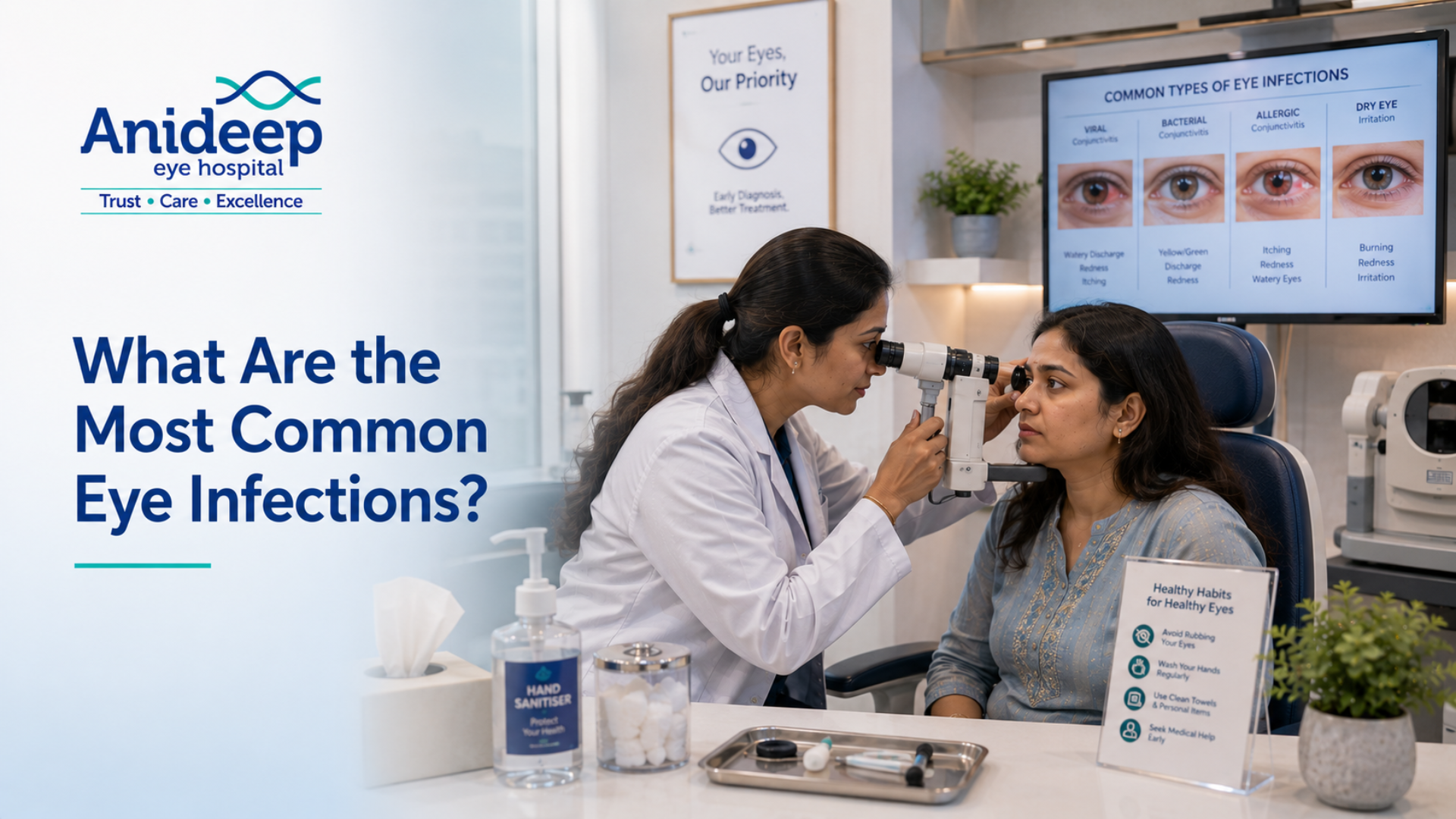
Having red eyes, itching, tearing, or weird eye discharges could be uncomfortable but does not mean that everybody having those kinds of symptoms has similar eye infections. So what are the common eye infections?
One such type of eye infection is conjunctivitis; however, there are other types of eye infections such as bacterial, viral, and even fungal infections that can affect the eye.
It is necessary to understand some common eye infections to determine whether you should put off visiting the eye doctor any longer.
What Causes Eye Infections?
The cause of eye infection arises due to any infection of microorganisms such as bacteria, viruses, and fungi to the eye region.
Sometimes, the infections may arise due to a direct contact with an infected person. However, the infections can also be caused by touching the eyes with dirty hands, using shared towels or makeup, and improper contact lenses' care.
The causes of eye infections differ, which is why determining the specific cause is necessary for choosing the right treatment option.
1. Conjunctivitis
Conjunctivitis, also known as pink eye, occurs on the conjunctiva, which is the delicate layer of tissue lining the white portion of the eye and the inside of the eyelid.
Causes may include viruses or bacteria, but allergies may cause similar symptoms, but it is not an infection.
Symptoms can include:
- Eyes that appear to be red or pink
- Watery eyes
- Irritation or itching
- Swelling
- Discharge
- Gritty sensation in the eye
Viruses and bacteria can lead to contagious forms of conjunctivitis.
2. Bacterial Eye Infection
Bacterial eye infection may lead to redness, irritation, swelling, and discharge. The discharge from the eye may at times be thick or sticky, making the eyelids stick together.
It all depends on the type and severity of infection, whether the use of antibiotics will help. However, the use of antibiotics can only be under the guidance of a competent medical practitioner.
The use of leftover medicine or someone else's eye drops is not the right way to treat eye infection.
3. Viral Eye Infection
Redness, watering, irritation, and light sensitivity are some symptoms of a viral eye infection.
Since viruses are very contagious, maintaining personal hygiene and minimizing contact and sharing of towels can prevent the spread of infection.
Antibiotics will not be effective against viruses, hence proper diagnosis is crucial.
4. Fungal Eye Infection
A fungal infection of the eye is rarer but is generally more severe. It can result from eye injuries involving materials like plant or soil or people who have higher chances of infection.
The symptoms can include redness, pain, blurring of vision, teariness, or sensitivity to light.
Fungal infections need particular treatments; hence, any prolonged symptoms need to be diagnosed by an ophthalmologist and not using any random eye drops.
How Can You Prevent Eye Infections?
There are many ways you can go about reducing the risks of infection.
- Practice good hand washing.
- Do not touch or rub your eyes unnecessarily.
- Do not share towels, pillows, makeup, or eye drops.
- Practise proper lens care techniques.
- Do not use old makeup for your eyes.
- Do not wear contact lenses if your eyes are irritated unless told to.
- Keep personal belongings you use around your face clean.
Eye infection prevention begins with good hygiene practices.
What Are the Common Eye Infection Symptoms to Watch For?
The common eye infection symptoms may include reddening, watery eyes, itching, swelling, discharge, irritation, blurred vision, and photosensitivity.
But then, in any case, even though these symptoms are not life-threatening, you need to seek the help of an expert. The symptoms such as painful eyes, drastic changes in vision, and intense light sensitivity should alert you to the need to visit a doctor.
When Should You See an Eye Specialist?
Not all cases of red eyes require similar treatment. Red eye can be caused by allergies, dryness of the eye, trauma to the eye or infection, and this is what makes diagnosing the problem difficult.
When your symptoms are too bad, worsening, or interfering with your vision, or when your eyes hurt or produce any sort of discharge, you should see an eye doctor.
At Anideep Eye Hospital, an eye expert can check out your eyes and help diagnose the cause of your symptoms and suggest an eye infection treatment accordingly.
Conclusion
There are a few types of eye infections like conjunctivitis or bacterial and viral infections. In contrast, fungal infections are quite rare cases but may need special treatment. It is therefore important to learn about the signs of infections, but it is equally important for one to know when to seek the assistance of an expert.
Proper hygiene, proper use of contact lenses, and avoidance of using things belonging to others can help you avoid infections. Any redness, secretion, irritation, pain, and vision changes cannot be ignored.
Make an appointment for the eye examination at Anideep Eye Hospital and receive professional assistance about eye infection treatment.