
- What Is a Corneal Injury?
- How Can a Simple Eye Injury Damage the Cornea?
- Corneal Injury Symptoms You Should Not Ignore
- Why Corneal Damage From Trauma Can Become Serious
- What Should You Do Immediately After an Eye Injury?
- What Does Corneal Abrasion Treatment Involve?
- When Is Eye Injury Treatment Urgent?
- How Can You Prevent Corneal Injuries?
- Protect Your Vision With Timely Corneal Care
- Why Choose Anideep Eye Hospital for Corneal Care?
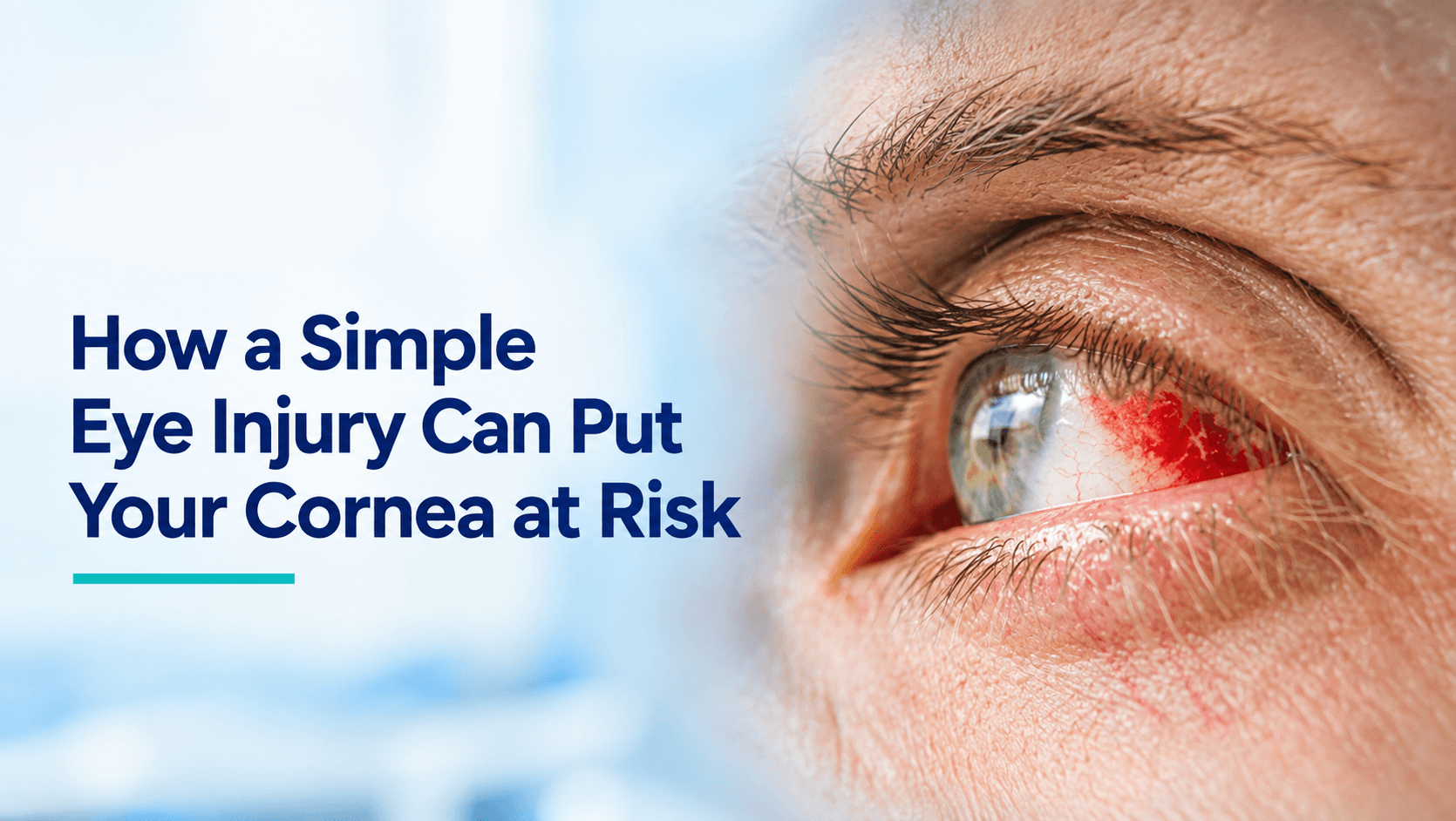
A speck of dust, an accidental fingernail scratch, a flying particle while working, or even rubbing your eye too hard may seem harmless. But when an injury reaches the cornea, the clear front surface of your eye, the consequences can be more serious than you expect.
The cornea plays an important role in focusing light and protecting the delicate structures inside the eye. Because it contains a large number of nerve endings, even a small scratch can cause significant pain, watering, redness, or sensitivity to light. More importantly, an untreated injury can sometimes lead to infection, inflammation, scarring, or vision problems.
So, when should an eye injury be taken seriously? And what should you do if you suspect corneal damage?
What Is a Corneal Injury?
A corneal injury occurs when the surface or deeper layers of the cornea are damaged by trauma, a foreign object, chemicals, excessive rubbing, or other causes.
One of the most common forms is a corneal abrasion, which is essentially a scratch on the surface of the cornea. Dust, sand, dirt, metal particles, wood shavings, plant material, contact lenses, and even the edge of a piece of paper can cause an abrasion.
Although minor abrasions can heal relatively quickly, an injury should not automatically be considered harmless. A damaged corneal surface can make it easier for microorganisms to enter the eye and cause infection.
How Can a Simple Eye Injury Damage the Cornea?
The cornea is exposed and has no protective tissue covering its front surface. This makes it particularly vulnerable to everyday accidents.
Some common causes of corneal injury include:
- Dust, sand or other particles entering the eye
- Accidental scratches from fingernails or other objects
- Contact with metal, wood or plant material
- Sports-related eye injuries
- Workplace accidents
- Improper contact lens use
- Chemical splashes
- Excessive rubbing of the eyes
- Exposure to intense ultraviolet light
- Blunt or penetrating trauma
Even when the injury looks minor from the outside, the cornea may have a scratch that cannot be seen without an eye examination.
Corneal Injury Symptoms You Should Not Ignore
How do you know whether an eye injury is affecting the cornea?
Common corneal injury symptoms may include:
- Sharp or persistent eye pain
- A gritty sensation, as though something is stuck in the eye
- Excessive watering
- Redness
- Blurred or hazy vision
- Increased sensitivity to light
- Difficulty keeping the eye open
- Feeling that a foreign object remains in the eye
- Reduced or changing vision
These symptoms can occur with several eye conditions, so they should not be used for self-diagnosis. An ophthalmologist can examine the cornea and determine whether an abrasion, inflammation, foreign body, infection, or another problem is present.
Why Corneal Damage From Trauma Can Become Serious
The biggest mistake after an eye injury is assuming that the problem will disappear on its own.
A damaged corneal surface can become inflamed or infected. In some cases, this can progress to keratitis or a corneal ulcer. Untreated corneal infections can cause scarring and may result in temporary or permanent vision loss.
This is why early assessment matters, especially when pain, redness, light sensitivity, or blurred vision continues after an injury.
A small scratch may heal within a short period, but the healing time depends on the size and severity of the injury. According to the American Academy of Ophthalmology, small corneal abrasions may heal within one to two days, while larger abrasions can take around a week.
What Should You Do Immediately After an Eye Injury?
If something gets into your eye, avoid the instinct to rub it. Rubbing can make a scratch worse.
For a small loose particle, gently flushing the eye with clean water or saline may help remove it. Blinking several times can also help clear a small particle from the surface.
However, do not try to remove an object that appears embedded in the eye. Avoid using tweezers, cotton swabs or other instruments to pick at the eye. If the object cannot be removed through gentle flushing, medical attention is necessary.
Contact lens wearers should also avoid wearing lenses while the injured eye is healing unless specifically advised otherwise by an eye-care professional.
What Does Corneal Abrasion Treatment Involve?
The appropriate corneal abrasion treatment depends on the severity and cause of the injury.
An ophthalmologist may examine the eye using a slit lamp and may apply fluorescein dye to identify scratches or other damage on the corneal surface. This helps determine the extent of the injury and whether additional treatment is needed.
Depending on the condition, treatment may include:
- Lubricating eye drops or ointments
- Prescription antibiotic drops or ointment when appropriate
- Medication to manage pain or inflammation
- Temporary protective measures recommended by the ophthalmologist
- Treatment for an underlying infection
- Further procedures for severe or persistent corneal damage
Antibiotic treatment is not appropriate for every eye injury, so self-medicating with leftover eye drops is not recommended. The treatment should be based on an examination and the cause of the injury.
When Is Eye Injury Treatment Urgent?
Certain injuries require prompt medical evaluation rather than waiting to see whether symptoms improve.
Seek urgent eye care if:
- Your vision suddenly becomes blurred or decreases
- You experience severe or increasing pain
- A foreign object is embedded in the eye
- You have significant sensitivity to light
- Redness or pain persists
- There is blood or visible damage around or inside the eye
- A chemical has entered the eye
- The injury involved a high-speed object
- Symptoms continue after an object has been removed
Severe pain, sudden vision changes, an embedded foreign object, or significant trauma are reasons to seek immediate medical attention.
How Can You Prevent Corneal Injuries?
Many eye injuries are preventable with simple precautions.
Wear appropriate protective eyewear when working with tools, chemicals, dust, metal, wood or other materials that could enter the eye. During sports or activities involving flying objects, use suitable protective equipment.
If you wear contact lenses, follow proper cleaning, storage and replacement instructions. Poor contact lens hygiene and wearing lenses longer than recommended can increase the risk of corneal problems and infection.
Most importantly, avoid rubbing your eyes, particularly when you feel that something may be trapped inside.
Protect Your Vision With Timely Corneal Care
A simple accident does not always result in serious damage, but a corneal injury should never be ignored when symptoms are persistent or severe.
The cornea is essential for clear vision, and damage to this transparent surface can affect both comfort and sight. Recognizing the signs of corneal damage and seeking timely evaluation can help prevent a small injury from developing into a more complicated condition.
If you have experienced an eye injury, do not rely solely on how the eye looks from the outside. A professional examination can determine whether the cornea has actually been affected and whether treatment is necessary.
Why Choose Anideep Eye Hospital for Corneal Care?
Looking for the best eye hospital in Mumbai for corneal concerns? Anideep Eye Hospital in Vile Parle, Mumbai, provides dedicated cornea care along with comprehensive ophthalmic services. Its cornea treatment services include evaluation and management of corneal conditions, with treatment options ranging from prescription eye care to advanced procedures such as keratoplasty and corneal transplantation when clinically appropriate.
If you are searching for an eye specialist in Mumbai after an eye injury, timely evaluation can help identify corneal damage and guide the right treatment. Anideep Eye Hospital offers personalized eye care and appointment facilities for patients seeking professional ophthalmic evaluation.
Remember: When it comes to an eye injury, waiting for the symptoms to disappear is not always the safest approach. If pain, redness, watering, light sensitivity, or vision changes continue, consult an eye-care professional promptly.